Introduction to ring spinning
Introduction to ring spinning
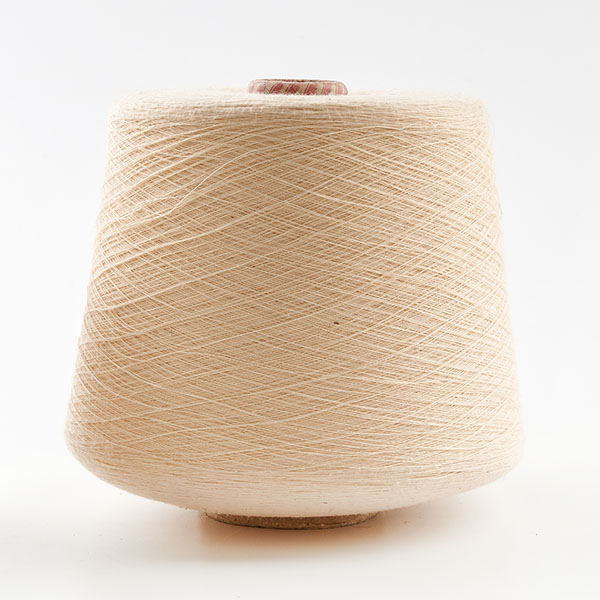
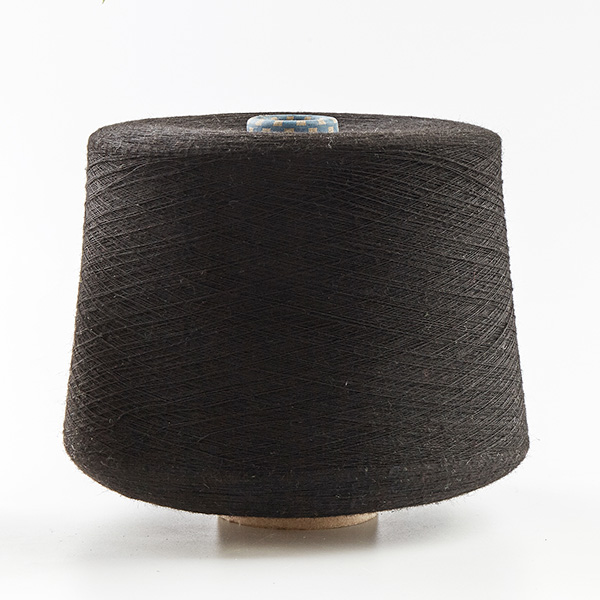
Ring spinning is the most widely used and technologically mature short staple spinning process globally, and it is also the mainstream production method for high-quality yarns. It derives its name from the "ring system" composed of its core components, the spinning ring and the traveler. Ring spinning is suitable for various short staple fibers such as cotton, polyester, viscose, wool, and blended materials, and it can produce high-quality yarns in multiple specifications.
After undergoing pretreatment processes such as scutching, carding, drawing, and roving, the core process is completed on the spinning frame: after the roving is drawn and refined, the traveller rotates at high speed around the ring, imparting sufficient twist to the yarn, causing the fibers to bond tightly, and ultimately winding into a structurally stable ring-spun yarn. Subsequently, the yarn is subjected to mercerization to remove defects and is made into standard hank yarn.
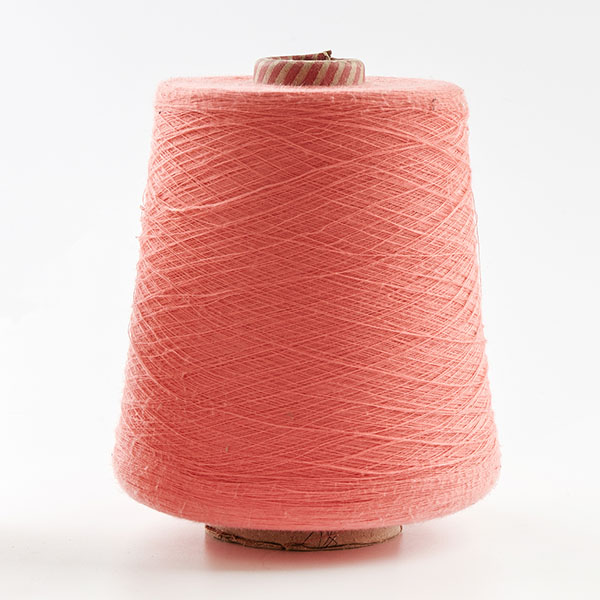
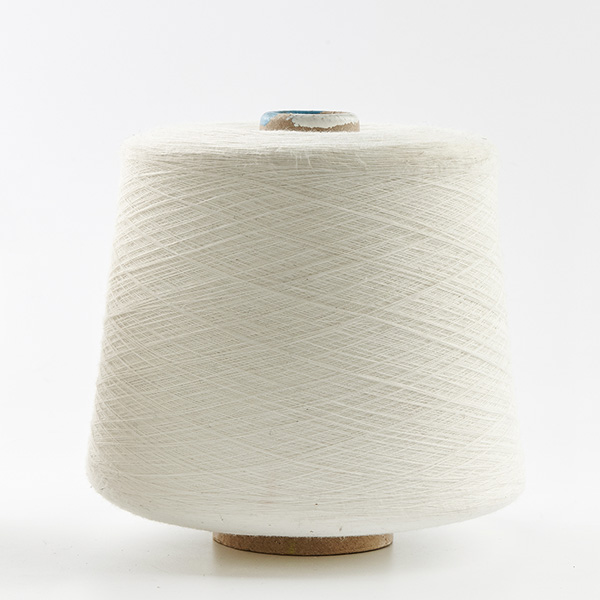
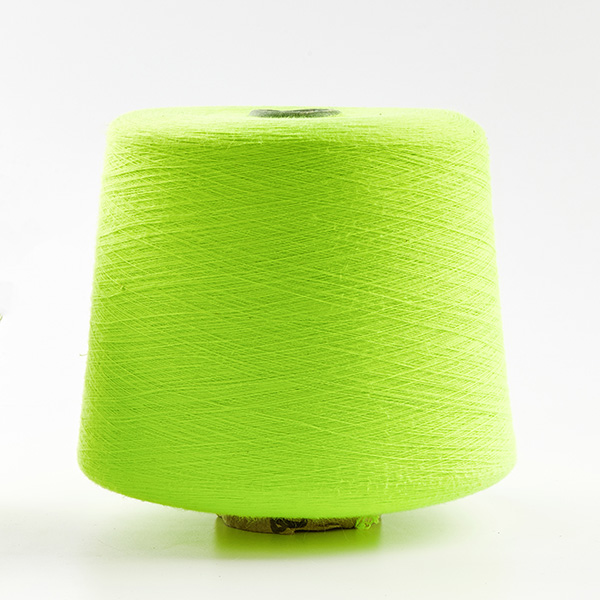
Ring spun yarn possesses significant advantages: it has a compact structure, high breaking strength, and is less prone to breakage during weaving, making it suitable for high-speed knitting and weaving; it has minimal hairiness and a smooth surface, resulting in a fine texture of the woven fabric, making it suitable for high-end clothing, underwear, shirts, yarn-dyed fabrics, and other scenarios; it has a wide range of counts, allowing for the spinning of coarse to high-count combed yarn above 100S, and its consistency in quality is strong, meeting the stability requirements of brand orders and export orders.
Compared to rotor spinning and vortex spinning, it has a lower rotational speed, slightly lower production output, and slightly higher production costs. However, due to its excellent yarn performance, it remains an indispensable spinning process in the mid-to-high-end textile industry. Tonghe Yarn Factory's main products, such as pure cotton yarn, polyester-viscose blended yarn, and antimony-free eco-friendly yarn, all use ring spinning technology as the core to ensure product quality and weaving adaptability.
Ring spinning is the most widely used and technologically mature short staple spinning process globally, and it is also the mainstream production method for high-quality yarns. It derives its name from the "ring system" composed of its core components, the spinning ring and the traveler. Ring spinning is suitable for various short staple fibers such as cotton, polyester, viscose, wool, and blended materials, and it can produce high-quality yarns in multiple specifications.
After undergoing pretreatment processes such as scutching, carding, drawing, and roving, the core process is completed on the spinning frame: after the roving is drawn and refined, the traveller rotates at high speed around the ring, imparting sufficient twist to the yarn, causing the fibers to bond tightly, and ultimately winding into a structurally stable ring-spun yarn. Subsequently, the yarn is subjected to mercerization to remove defects and is made into standard hank yarn.
Ring spun yarn possesses significant advantages: it has a compact structure, high breaking strength, and is less prone to breakage during weaving, making it suitable for high-speed knitting and weaving; it has minimal hairiness and a smooth surface, resulting in a fine texture of the woven fabric, making it suitable for high-end clothing, underwear, shirts, yarn-dyed fabrics, and other scenarios; it has a wide range of counts, allowing for the spinning of coarse to high-count combed yarn above 100S, and its consistency in quality is strong, meeting the stability requirements of brand orders and export orders.
Compared to rotor spinning and vortex spinning, it has a lower rotational speed, slightly lower production output, and slightly higher production costs. However, due to its excellent yarn performance, it remains an indispensable spinning process in the mid-to-high-end textile industry. Tonghe Yarn Factory's main products, such as pure cotton yarn, polyester-viscose blended yarn, and antimony-free eco-friendly yarn, all use ring spinning technology as the core to ensure product quality and weaving adaptability.